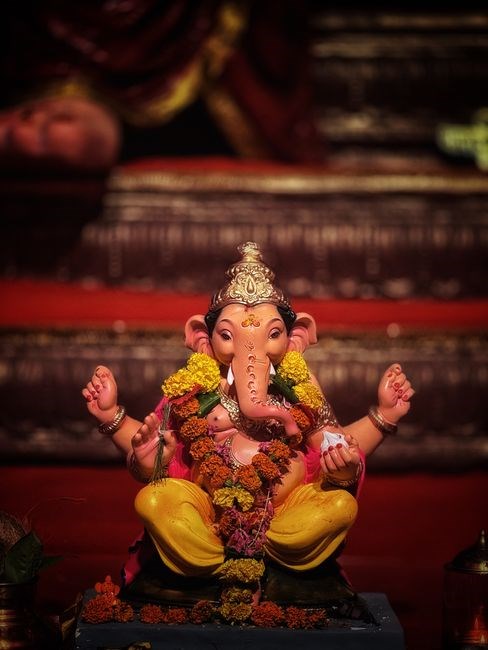
Vinayaka Chavithi, celebrated with devotion, finds its essence in the 2023 Telugu PDF pooja book. This guide offers step‑by‑step rituals, vibrant illustrations, and modern updates, ensuring devotees perform the ceremony with clarity and reverence. Can access the PDF online, ensuring seamless experience.
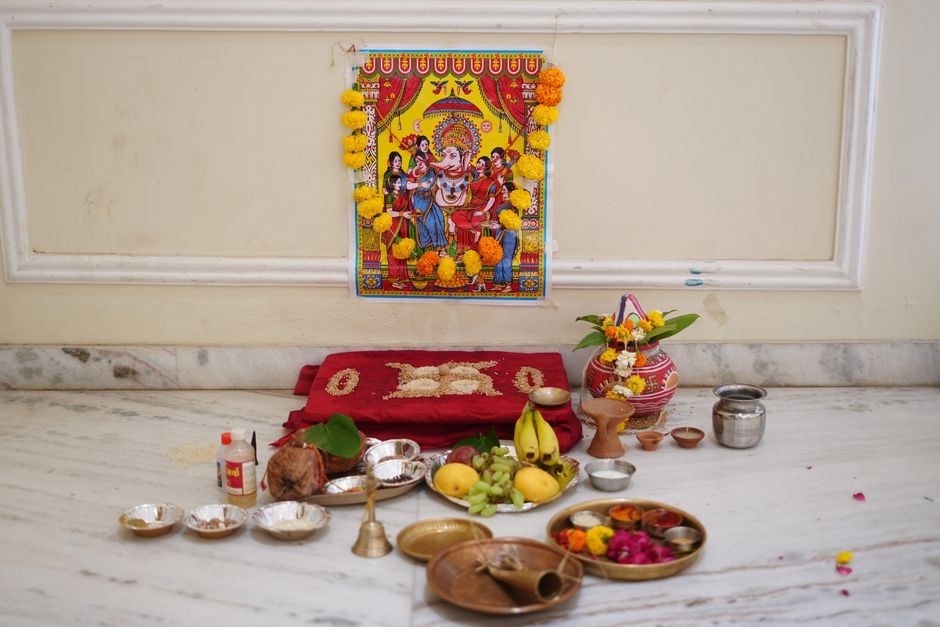
Why the Vinayaka Chavithi Pooja Book is Important in 2023
The 2023 edition of the Vinayaka Chavithi pooja book in Telugu PDF stands out for its timely relevance, bridging ancient tradition with contemporary practice. In a year marked by rapid digital transformation, devotees seek accessible, authentic resources that respect cultural heritage while embracing modern convenience. This pooja book delivers both. It consolidates centuries‑old rituals into a single, user‑friendly PDF, allowing families to perform the ceremony at home without consulting multiple sources. The clear, step‑by‑step instructions reduce uncertainty, ensuring that each offering, mantra, and symbolic gesture aligns with scriptural authenticity. Moreover, the PDF format supports instant updates; if new regional customs emerge or regulatory changes affect temple practices, the book can be revised and redistributed quickly, keeping devotees informed. Accessibility is another key benefit: the PDF is downloadable on smartphones, tablets, and laptops, making it possible to conduct the puja in remote villages or during travel. The visual design incorporates vibrant illustrations and color‑coded sections, aiding memory retention for younger participants. Finally, the book’s availability in Telugu preserves linguistic identity, fostering a deeper connection between the community and the deity. In sum, the 2023 Telugu PDF pooja book is essential for preserving tradition, enhancing participation, and adapting to the digital age. Its clear layout guides devotees step‑by‑step, ensuring a smooth, heartfelt celebration now
Historical Context of Vinayaka Chavithi
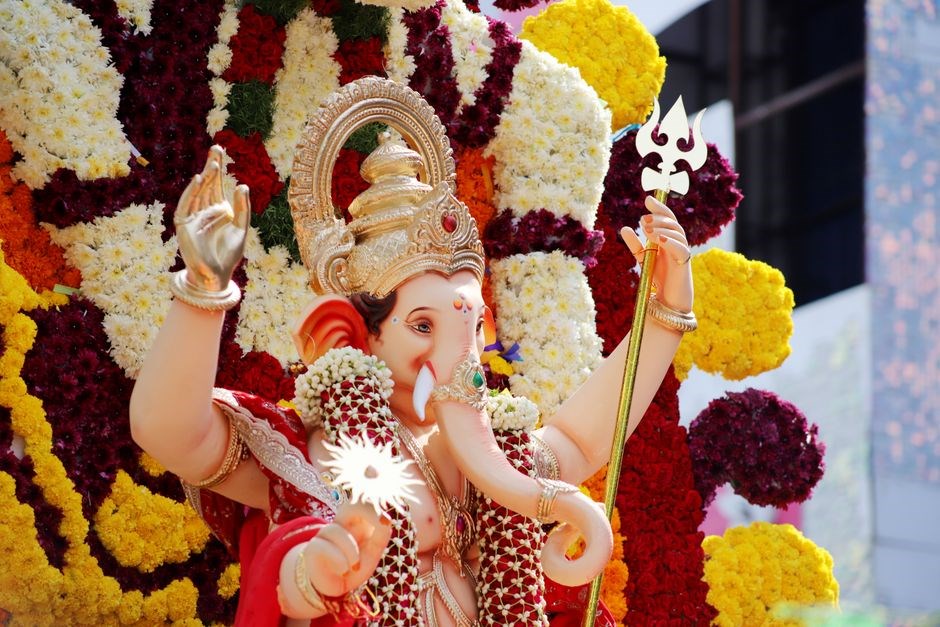
Vinayaka Chavithi, rooted in ancient Telugu lore, traces back to Lord Ganesha’s triumph over darkness. Celebrated since the 12th century, it blends mythic tales with regional customs, symbolizing wisdom, prosperity, and devotion across generations today??.
Origins, Mythology, and Cultural Significance in Telugu Tradition
In Telugu culture, Vinayaka Chavithi is celebrated as day of divine wisdom and prosperity, rooted in ancient legends that trace back to the Mahabharata era. According to folklore, Lord Ganesha, the remover of obstacles, was born to Parvati after a divine experiment involving a pot of milk and a divine elephant’s head. The story explains how Ganesha’s unique form symbolizes the union of intellect and devotion. The festival’s origin is linked to the “Brahma Deeksha” ceremony where the deity receives blessings from Brahma,and is believed to grant success to those who perform the rituals with sincerity. The festival is also associated with the agricultural cycle as farmers pray for bountiful harvest. Historically, the celebration has evolved from simple household rites to grand public processions especially in the coastal regions of Andhra Pradeshand Telangana. The cultural significance of Vinayaka Chavithi lies in its ability to unite families and communities, fostering a sense of shared faithand collective hope. The festival’s rituals are deeply embedded in Telugu literature, with numerous poemsandsongs praising Ganesha’s benevolence. The 2023 Telugu PDF pooja book preserves these traditions while incorporating modern elements ensuring that the legacy of Vinayaka Chavithi continues to inspire devotion across generations.
Structure of a Traditional Pooja Book
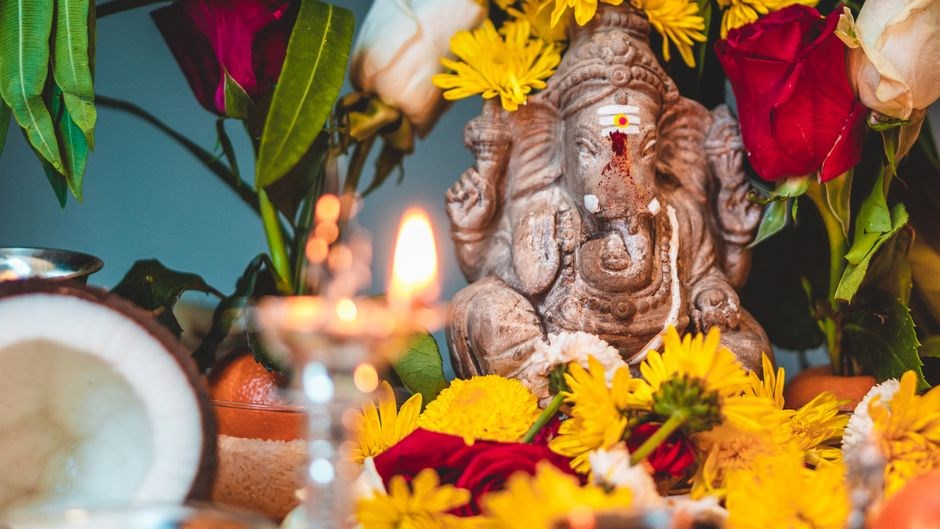
A traditional pooja book is divided into sections: purpose, detailed ritual steps, material list, symbolic meanings, concluding prayer; Pages feature icons and a logical layout guiding devotees through the ceremony, ensuring clarity and reverence. It also includes a glossary of terms and a troubleshooting guide
Key Ritual Elements and Layout in the 2023 Telugu PDF
The 2023 edition presents a meticulously organized layout that guides devotees through each stage of the ceremony. At the front, a concise introduction outlines the purpose and significance of the observance, followed by a detailed list of required materials—rice, flowers, incense, and a specially prepared sweet offering. The core of the book is divided into sequential sections: Purification, Invocation, Offering, and Conclusion. Each section contains step‑by‑step instructions, accompanied by illustrative icons that clarify posture, hand gestures, and the precise placement of items on the altar. The Purification segment emphasizes the cleansing of the space with water and salt, while the Invocation highlights the chanting of specific mantras and the lighting of a lamp. The Offering portion details the arrangement of flowers, the offering of sweets, and the symbolic act of pouring water over the deity’s feet. Finally, the Conclusion provides a closing prayer and instructions for distributing the sanctified food to family members. Throughout the PDF, a sidebar offers quick reference tables for mantra recitations and a glossary of terms, ensuring that even novices can follow the ritual with confidence. The design incorporates ample white space and a clean, readable font, making the text accessible on both desktop and mobile devices. Moreover, the PDF includes a QR code linking to an audio guide that plays the mantras in Telugu, allowing devotees to hear the correct intonation while performing the rituals, thereby enhancing the spiritual experience and ensuring accuracy across diverse households now.
Features of the 2023 Telugu PDF Edition
Modern layout, bilingual captions, interactive QR codes, audio playback, updated mantras, eco‑friendly printable pages, digital watermark, customizable color schemes, and a dedicated FAQ section for common queries. Includes QR audio and checklist. Now
Unique Additions, Updated Rituals, and Modern Adaptations
In the 2023 Telugu PDF edition, devotees encounter several fresh elements that blend tradition with contemporary needs. A dedicated section explains the “Sankalpam” (intention) process, guiding users to set a focused, mindful purpose before the puja. The book now offers a step‑by‑step audio narration in Telugu, enabling listeners to follow along without reading the text. QR codes link to short video clips that demonstrate the precise placement of garlands, the arrangement of flowers, and the correct sequence of offering sweets, making visual learning effortless. A new “Eco‑Pooja” checklist encourages biodegradable vessels, plant‑based offerings, aligning the ritual with environmental consciousness. The PDF includes a customizable “Pooja Calendar” feature, marking local festival dates and sending reminders via email, and mobile. A “Troubleshooting” sidebar addresses common issues such as incorrect lighting, incense placement, and timing of the “Chandana” (sandalwood paste) application. Finally, the edition offers a “Community Forum” link, allowing devotees to share experiences, ask questions, and receive guidance from experienced priests, fostering a supportive digital community. Embrace the joy.
How to Access the PDF Online
Visit the temple portal or religious sites. Click the “Download” button, then select the 2023 Telugu PDF. Verify file size, open with a PDF viewer, bookmark the page for reference. Save it for later, and share!!!. Repeat steps if needed. Save for offline use. Now
Official Platforms, Trusted Sources, and Download Instructions
To obtain the 2023 Telugu Vinayaka Chavithi pooja book in PDF format, begin by visiting the official temple website, which hosts a secure download link. Navigate to the “Pooja” or “Downloads” section, locate the “Vinayaka Chavithi 2023” entry, and click the link. The file size is typically around 2–3 MB, ensuring a quick download on most devices. If the temple site is unavailable, trusted religious portals such as Telangana Government Portal or India.gov.in often provide archived PDFs. Additionally, community‑run sites like VinayakaChavithi.org host user‑contributed copies. Always verify the PDF’s authenticity by checking for a digital signature or a watermark that matches the official temple branding. Once downloaded, open the PDF with a reliable viewer such as Adobe Acrobat Reader or the built‑in browser viewer. For offline use, print the document or save it to a USB drive. If you encounter compatibility issues, try converting the PDF to a different format using free online converters, but keep the original file for reference. Sharing the PDF with family members is simple: attach the file to an email or upload it to a cloud service like Google Drive, ensuring the link is set to “view only” to preserve the original layout Download promptly to begin celebration
Using the Pooja Book for Your Rituals
Open the PDF, read the introductory page, then follow the stepwise instructions. Prepare the altar, chant the mantras, perform the puja. The book’s diagrams guide you exactly, ensuring a soft kind ceremony.
Observe the timing, offer gratitude, and praytoday!
Step‑by‑Step Guide to Performing Vinayaka Chavithi with the PDF
Begin by setting a clean, quiet space. Place the PDF on a tablet or printed page beside the altar. Follow the sequence below, reading each instruction before acting.
- Preparation: Gather fresh flowers, coconut, mango, and a small plate of sweets. Light a diya and incense sticks.
- Invocation: Recite the opening mantra from page 2. Offer water to the deity, then sprinkle a pinch of turmeric on the idol.
- Offerings: Place the coconut, mango, and sweets on the plate. Use the PDF’s diagram to arrange items in the correct pattern.
- Mantra Chanting: Read the verses on page 5. Chant each line twice, maintaining a steady rhythm.
- Prasad Distribution: After the final verse, cut a small portion of sweets and share with family, following the PDF’s guidance.
- Closing: Thank the deity, extinguish the diya, and fold the PDF for safekeeping.
Throughout, keep the PDF visible to reference timings and specific gestures. This structured approach ensures a smooth, heartfelt celebration.
Remember to cleanse the altar with a splash of holy water before starting the puja, and keep a small bell nearby to signal each mantra. After the final offering, sit quietly for a few minutes, reflecting on the blessings received. Store the PDF in a safe place for future reference, and share the joy with your community. All participants feel renewed, sharing smiles and us
Common Challenges and Solutions
PDF size, compatibility, printing, and readability often trip devotees. Solutions: use a reliable PDF viewer, adjust zoom, print in high resolution, and keep a backup copy. For screen glare, enable night mode. These steps ensure smooth rituals. Check PDF size.OK
Dealing with PDF Compatibility, Printing, and Reading Issues
PDF files can behave unpredictably across devices. Common problems include missing fonts, broken links, or corrupted images. Begin by verifying the file size and checksum if available. Use a modern viewer such as Adobe Acrobat Reader DC or Foxit Reader, which support the latest PDF 2.0 features and embedded fonts. If the document still fails to render, try opening it with a different viewer or converting it to a raster image via the “Print as Image” option.
Printing the pooja book can be tricky if the PDF resolution is low or the printer driver is outdated. Before printing, check the “Print as Image” setting to rasterize the content. Use high‑resolution paper and enable the “Print as Image” option in the print dialog. If the output is blurry, increase the DPI or select a higher‑resolution printer. Some community printers also support “Print to PDF” first, allowing you to preview the final layout.
Reading the PDF on smartphones or tablets can be difficult if the font size is too small or the layout is not responsive. Enable the “Fit to width” or “Zoom” function in the viewer to enlarge the page. For devices that lack proper Telugu fonts, install a font pack or enable the “Use system fonts” setting. If the script still does not display correctly, download a dedicated PDF reader that supports pinch‑to‑zoom and night‑mode reading. Keep a printed backup in a waterproof folder for emergencies.
Follow these steps for a flawless ritual.!
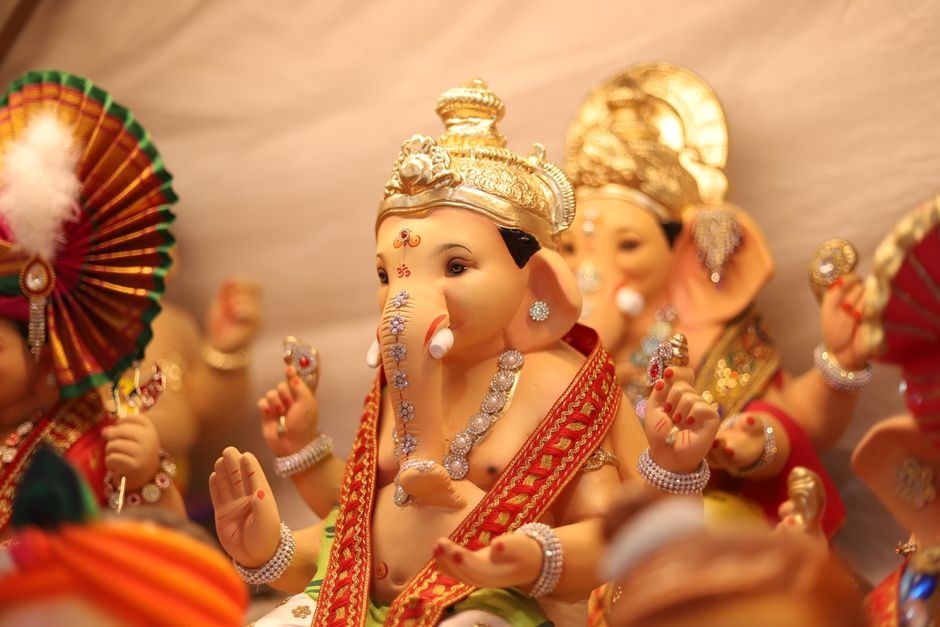
Additional Resources and Further Reading
Explore temple archives, community forums, and articles to deepen your understanding of Vinayaka Chavithi. Trusted sources include official Andhra Pradesh religious portal, local temple libraries, respected authors who publish ritual guides in Telugu.!
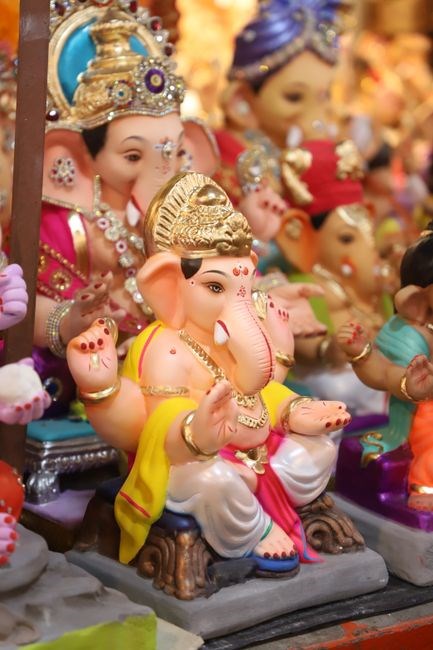
Where to Find More Telugu Pooja Books and Community Support
For devotees seeking deeper knowledge, several avenues offer Telugu pooja books and vibrant community engagement. Online libraries such as the Andhra Pradesh State Archives host digitized manuscripts, while platforms like ePooja and VedaBook provide downloadable PDFs. Local temples often maintain libraries, offering free access to ritual guides and scripture collections. Community centers in cities like Hyderabad, Visakhapatnam, and Vijayawada host weekly discussion groups where experienced priests share insights and answer queries. Social media groups on Facebook and WhatsApp, dedicated to Telugu worship, provide real‑time support, sharing updates on new editions and offering guidance on interpreting complex rituals. Additionally, regional radio and television programs broadcast live pooja sessions, allowing listeners to follow along and learn the correct sequence of offerings. For those preferring print, reputable publishers such as Prakashan and Veda Prakash offer hard copies of updated pooja books, often accompanied by explanatory notes in Telugu. Engaging with these resources ensures that practitioners remain connected to tradition while embracing contemporary adaptations. These resources are shared by temple authorities every year.!
Additionally, forums host live Q&A sessions where devotees can ask priests about rituals, offering guidance on the best times to perform each offering, sharing personal experiences that enrich the communal spirit. These sessions strengthen community bonds and blessings.
Leave a Reply
You must be logged in to post a comment.