
Photosynthesis transforms light energy into chemical energy, converting CO₂ and H₂O into glucose and O₂. This core process powers plant growth and sustains ecosystems, linking sunlight to the food chain. Understanding its stages is essential for biology and environmental science. This guide covers basics.!!?

Photosynthetic Equation and Reactants/Products
Photosynthesis: 6 CO₂ + 6 H₂O → C₆H₁₂O₆ + 6 O₂. Light energy drives electron transport, generating ATP and NADPH, which fuel the Calvin cycle. The equation summarizes reactants (CO₂, H₂O, light) and products (glucose, O₂). This core reaction underpins plant metabolism. It is the foundation of life on Earth.!
Primary Reactants and Products
The primary reactants that fuel photosynthesis are carbon dioxide (CO₂), water (H₂O), and photons of visible light. These molecules enter the chloroplasts, where light‑absorbing pigments capture photon energy and initiate a cascade of redox reactions. The overall stoichiometric equation for the Calvin cycle is often expressed as:
- 6 CO₂ + 6 H₂O + light energy → C₆H₁₂O₆ (glucose) + 6 O₂
In this balanced reaction, each glucose molecule contains six carbon atoms sourced from atmospheric CO₂, while the six oxygen atoms released as O₂ come from the photolysis of water. The glucose produced serves as a versatile energy reserve, fueling cellular respiration, growth, and the synthesis of structural polymers such as cellulose and starch.
During the light‑dependent phase, water molecules are split (photolysis) to donate electrons and protons, while the captured light energy is used to produce ATP and NADPH. These high‑energy carriers then drive the reduction of CO₂ into glucose in the Calvin cycle.
Although the simplified equation omits intermediate steps, it encapsulates the core transformation that sustains ecosystems. The glucose generated can be stored as starch or used immediately for energy, while the oxygen released is a critical component of the planet’s atmosphere.
Lorem ipsum dolor sit amet, consectetur adipiscing elit. Sed do eiusmod tempor incididunt ut labore et dolore magna aliqua. Ut enim ad minim veniam, quis nostrud exercitation ullamco laboris nisi ut aliquip ex ea commodo consequat. Duis aute irure dolor in reprehenderit in voluptate velit esse cillum dolore eu fugiat nulla pariatur. Excepteur sint. Odio. Ok!

Photosynthetic Reactions
Photosynthetic reactions encompass light‑dependent and light‑independent phases. Light energy excites electrons, generating reducing power and a proton gradient. These products fuel the synthesis of carbohydrates from CO₂, forming the foundation of terrestrial life. This cycle fuels oxygen and stores energy.!!
Photosystem II & Water Splitting
Photosystem II (PSII) is the first light‑harvesting complex in the chloroplast thylakoid membrane. It contains the reaction center chlorophyll P680, which absorbs photons and excites electrons to a high energy state. The excited electrons are transferred to the primary electron acceptor, pheophytin, and then to plastoquinone. Simultaneously, the oxidation of P680 creates a strong oxidizing power that drives the splitting of water molecules at the oxygen‑evolving complex (OEC). The OEC, a manganese‑calcium cluster, catalyzes the extraction of four electrons, four protons, and one oxygen atom from two water molecules, releasing O₂ as a by‑product. The protons contribute to the proton gradient across the thylakoid membrane, while the electrons travel through the electron transport chain, ultimately reducing NADP⁺ to NADPH. This process also generates a proton motive force used by ATP synthase to produce ATP, linking light absorption to chemical energy storage.
After plastoquinone is reduced, electrons move to the cytochrome b₆f complex, which pumps protons into the thylakoid lumen, boosting the proton motive force. From cytochrome b₆f, electrons transfer to plastocyanin, a copper protein that delivers them to Photosystem I. The proton gradient powers ATP synthesis via ATP synthase. PSII is tightly regulated by D1 protein turnover and OEC assembly, ensuring efficient water oxidation and preventing harmful reactive oxygen species. It balances energy.!!!
ATP and NADPH Generation
During the light‑dependent phase of photosynthesis, photons absorbed by chlorophyll a in Photosystem II and Photosystem I drive a series of electron transfers that culminate in the synthesis of two high‑energy molecules: adenosine triphosphate (ATP) and nicotinamide adenine dinucleotide phosphate (NADPH). The linear electron flow begins when water is oxidized at the oxygen‑evolving complex, releasing O₂, 4 e⁻, and 4 H⁺. Electrons travel through plastoquinone, the cytochrome b₆f complex, and plastocyanin to Photosystem I, where they are re‑excited by a second photon. The energized electrons reduce NADP⁺ to NADPH via the ferredoxin‑NADP⁺ reductase enzyme. Simultaneously, the proton gradient generated across the thylakoid membrane powers ATP synthase, producing ATP from ADP and inorganic phosphate in a process called photophosphorylation. A cyclic electron flow around Photosystem I can also contribute to the proton motive force without generating NADPH, allowing the plant to adjust the ATP/NADPH ratio to meet metabolic demands. The overall stoichiometry of the light reactions is roughly 3 ATP and 2 NADPH per molecule of CO₂ fixed, ensuring that the Calvin cycle receives the appropriate energy carriers for carbon assimilation. In addition, the regulation of ATP and NADPH synthesis is tightly coordinated with the plant’s metabolic status, involving feedback from the Calvin cycle, stromal pH changes, and redox signaling pathways that modulate the activity of key enzymes such as ATP synthase and ferredoxin‑NADP⁺ reductase, thereby ensuring efficient allocation of energy resources under varying light intensities and environmental conditions, a process that is fundamental to plant growth, stress tolerance, and overall ecosystem productivity. Researchers have also identified that the efficiency of ATP and NADPH production can be modulated by small regulatory proteins that sense light quality and intensity, thereby fine‑tuning the photosynthetic apparatus to optimize energy capture and carbon fixation.
Carbon Fixation and Rubisco
Carbon fixation is the first step of the Calvin–Benson cycle, where atmospheric CO₂ is incorporated into organic molecules. The enzyme ribulose‑1,5‑bisphosphate carboxylase/oxygenase, known as Rubisco, catalyzes the reaction between CO₂ and ribulose‑1,5‑bisphosphate (RuBP). Carboxylation produces two molecules of 3‑phosphoglycerate (3‑PGA), which are reduced to glyceraldehyde‑3‑phosphate (G3P) and used to regenerate RuBP. Oxygenation leads to photorespiration, consuming energy and releasing CO₂, reducing net photosynthetic output. Many plants have evolved C₄ and CAM pathways that concentrate CO₂ around Rubisco, enhancing carboxylation efficiency. Recent genetic studies identified Rubisco variants with higher catalytic rates and lower oxygenase activity, offering avenues for crop improvement. Engineering these traits into major cereals could boost global food security by increasing photosynthetic productivity under variable environmental conditions. Understanding Rubisco’s kinetic properties, regulation, and evolutionary adaptations remains a pivotal research frontier.
Rubisco activation is tightly regulated by the small protein Rubisco activase, which removes inhibitory sugar phosphates from the enzyme’s active site. This ATP‑dependent process is sensitive to temperature and CO₂ concentration. Post‑translational modifications such as phosphorylation further modulate Rubisco’s activity and stability. In many algae, Rubisco is concentrated in a pyrenoid within the chloroplast stroma, enhancing substrate channeling and reducing CO₂ loss. Cryo‑electron microscopy has elucidated Rubisco’s quaternary structure, guiding the design of synthetic variants. Integrating these molecular insights with agronomic practices could produce crops that sustain photosynthetic rates under drought or heat stress, contributing to sustainable agriculture and climate resilience. Field trials confirm that these engineered lines maintain productivity under temperature regimes and yield.


Chloroplast Architecture and Pigments
Chloroplasts are the specialized organelles where photosynthesis takes place. They possess a double‑membrane envelope that encloses a highly organized internal system of thylakoid membranes, stacked into grana and inter‑granal lamellae. The thylakoid lumen contains the electron‑transport chain, while the stroma hosts the Calvin cycle. Pigments embedded in the thylakoid membranes—primarily chlorophyll‑a, chlorophyll‑b, and carotenoids—absorb light across a broad spectrum, funneling energy to the reaction centers of Photosystems I and II. Chlorophyll‑a, the primary pigment, is responsible for the core photochemical reactions, whereas chlorophyll‑b extends the absorption range and protects against photodamage. Carotenoids, such as lutein, β‑carotene, and zeaxanthin, not only broaden light capture but also dissipate excess energy as heat, safeguarding the photosynthetic apparatus. The spatial arrangement of pigments within the protein complexes optimizes energy transfer efficiency, ensuring rapid excitation energy migration to the reaction centers. Recent advances in cryo‑EM have revealed the precise architecture of the photosynthetic supercomplexes, highlighting the dynamic interplay between pigment composition and light‑harvesting efficiency. Understanding chloroplast structure and pigment distribution is essential for manipulating photosynthetic performance in crops and for designing artificial light‑harvesting systems.
Moreover, thylakoid membrane proteins are tightly linked to photosystem reaction centers, ensuring efficient electron flow and optimal light use daily.
Environmental Influences on Photosynthesis
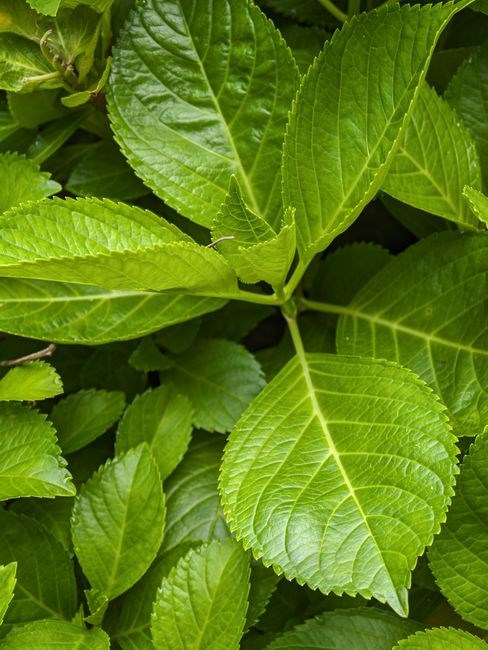
Light intensity, wavelength, and photoperiod directly modulate the rate of photosynthetic electron transport. High photon flux densities accelerate the photochemical phase until saturation, after which excess energy is dissipated as heat or fluorescence. Low light limits the generation of ATP and NADPH, constraining carbon fixation. Water availability is critical; drought stress reduces stomatal aperture, cutting CO₂ influx and increasing leaf temperature, which further impairs photosynthetic machinery. Soil nutrient status, particularly nitrogen, magnesium, and iron, influences chlorophyll synthesis and the assembly of photosystems. Atmospheric CO₂ concentration elevates the substrate availability for Rubisco, enhancing carboxylation rates up to a point, but also increases photorespiratory losses under high temperatures. UV radiation can damage DNA and photosynthetic pigments, triggering protective mechanisms like the synthesis of flavonoids. Atmospheric pollutants, including ozone, can oxidatively damage photosynthetic proteins and membranes, reducing overall efficiency. Micro‑climatic variations, such as wind speed and humidity, influence transpiration rates and leaf boundary layer conductance, thereby modulating internal CO₂ concentrations and thermal balance. These intertwined factors collectively determine the dynamic balance between light capture, energy conversion, and carbon assimilation in plants, underscoring the importance of environmental context in photosynthetic performance. Temperature shifts alter enzyme activity affecting photosynthetic efficiency.
Plant Adaptations to Light Availability
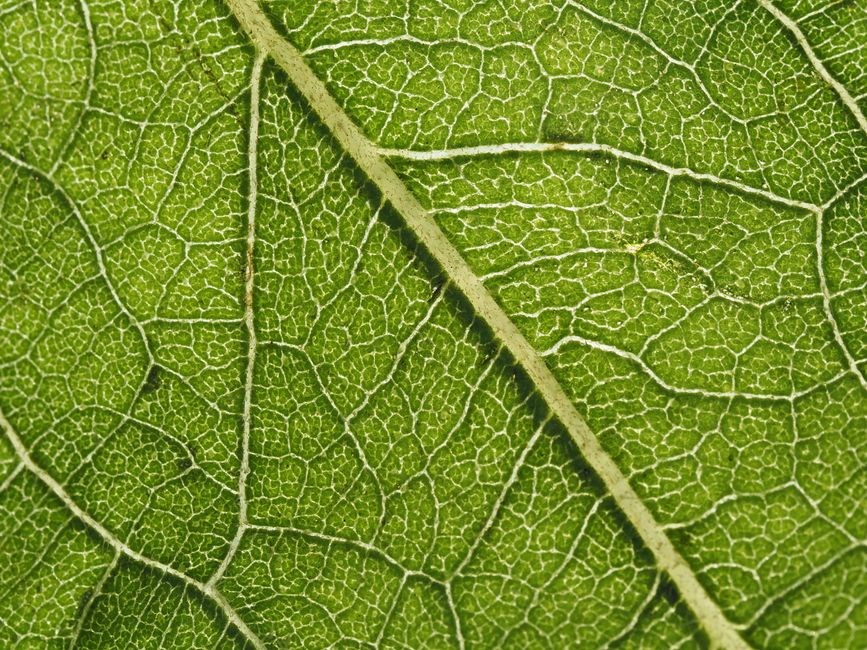
Plants have evolved a suite of morphological, anatomical, and physiological strategies to cope with varying light intensities. In high‑light environments, leaves are often smaller, thicker, and possess a dense palisade mesophyll layer that maximizes light capture while minimizing photodamage. Sun leaves also exhibit higher chlorophyll‑a/b ratios, reducing light saturation and enhancing photosynthetic efficiency. Conversely, shade‑tolerant species develop larger, thinner leaves with a spongy mesophyll that increases light scattering and absorption at lower photon fluxes. They also display lower chlorophyll‑a/b ratios, allowing better use of diffuse light. Stomatal density and distribution adjust to light levels; sun leaves typically have fewer, larger stomata to limit transpiration, while shade leaves have higher stomatal densities to maximize CO₂ uptake when light is limited. Additionally, chloroplasts reposition within mesophyll cells—moving toward the epidermis under high light to avoid excess energy and toward the center under low light to capture scattered photons. Photoprotective pigments such as carotenoids and anthocyanins accumulate in high‑light tissues, dissipating excess energy as heat and shielding photosystems from reactive oxygen species. Some species exhibit nyctinastic leaf movements, orienting leaves toward optimal light angles during the day and protecting them from intense midday radiation. These adaptations enable plants to maintain photosynthetic performance across diverse habitats, bright!

Recent Research Advances
New citrus studies link leaf reflectance to SNPs, revealing photosynthetic diversity. Cyanobacteria research overturns stress survival models, uncovering alternate pathways. Microplastic pollution diminishes photosynthetic health, risking global food security. Future croplab!
Citrus Photosynthetic Diversity
Recent genomic surveys of citrus species reveal a remarkable spectrum of photosynthetic performance, driven by both genetic variation and leaf morphology. A team examined 71 distinct accessions, applying over 56,000 single‑nucleotide polymorphisms (SNPs) alongside 37 leaf‑reflectance metrics to map traits such as stomatal conductance, chlorophyll a/b ratios, and light‑use efficiency. The data uncovered that certain mandarins and grapefruits possess higher intrinsic water‑use efficiency, while some sweet‑oranges exhibit superior carbon‑fixation rates under high‑light conditions. These differences correlate strongly with specific alleles of key photosynthetic genes, including those encoding Rubisco activase and the light‑harvesting complex. Moreover, the study highlighted that leaf‑surface architecture—particularly trichome density and epidermal thickness—modulates light scattering, thereby influencing the spectral reflectance signatures used in remote sensing. Understanding this diversity is crucial for breeding programs aimed at enhancing yield, stress tolerance, and resource‑use efficiency in citrus orchards worldwide.
Furthermore, phenotypic plasticity in leaf anatomy allows citrus varieties to adjust stomatal aperture and mesophyll conductance in response to fluctuating light environments, a trait linked to transcription factors such as DREB and NAC. Field trials across latitudinal gradients have shown that certain hybrids maintain higher photosynthetic rates during. Underscoring the importance of integrating genomic selection with agronomic practices. Recent advances in hyperspectral imaging and fluorescence mapping enable rapid assessment of photosynthetic capacity at the canopy level, accelerating the identification of superior genotypes for climate‑resilient citrus production!
Cyanobacteria Stress Mechanisms
Cyanobacteria, often called blue‑green algae, thrive in diverse habitats, from freshwater streams to marine sediments. Their resilience stems from a suite of stress‑response strategies that maintain photosynthetic efficiency under fluctuating light, temperature, and salinity. First, they modulate pigment composition: under high irradiance, phycobilisomes are reorganized to reduce photodamage, while low light induces increased phycocyanin synthesis for optimal light harvesting. Second, the non‑photochemical quenching (NPQ) pathway is activated, dissipating excess excitation energy as heat through the xanthophyll cycle, which protects the photosystems. Third, cyanobacteria synthesize compatible solutes—such as sucrose, glucosylglycerol, and trehalose—to counter osmotic stress, stabilizing proteins and membranes. Fourth, the circadian clock synchronizes gene expression with day–night cycles, pre‑emptively adjusting metabolic fluxes. Fifth, horizontal gene transfer and plasmid‑encoded stress genes provide rapid adaptation to novel pollutants, including microplastics, which recent studies link to impaired photosynthetic performance. Additionally, cyanobacteria deploy antioxidant enzymes such as superoxide dismutase, catalase, and peroxidases to neutralize reactive oxygen species generated during high light stress, thereby preserving cellular integrity. They also regulate the expression of small heat‑shock proteins that stabilize thylakoid membranes under temperature spikes. Together, these mechanisms enable cyanobacteria to survive and even dominate under extreme environmental conditions, making them key players in global carbon cycling. research.now for future studies today.?!
Microplastics and Photosynthetic Health
Microplastics, ubiquitous in aquatic and terrestrial ecosystems, pose a growing threat to photosynthetic organisms. These synthetic polymers, ranging from nanometers to centimeters, can be ingested by phytoplankton, algae, and even higher plants, leading to physical blockage of light absorption and interference with chlorophyll synthesis. Recent studies indicate that microplastic particles accumulate on leaf surfaces, forming a translucent film that reduces photosynthetic photon flux density (PPFD) reaching the photosynthetic apparatus. This attenuation not only diminishes light capture but also alters leaf temperature and gas exchange dynamics, thereby impairing stomatal conductance and CO₂ uptake. Moreover, microplastics can leach additives—such as phthalates, bisphenol A, and heavy metals—into the surrounding medium. Furthermore, the physical presence of microplastics in sediment can alter benthic light penetration, thereby modifying the depth of the photic zone. Addressing microplastic pollution thus becomes essential for preserving photosynthetic efficiency and ecosystem resilience. Field experiments using controlled microplastic exposure have quantified a 15% decline in chlorophyll a content and a 12% reduction in net photosynthetic rate in model species such as spinach and wheat, underscoring the tangible impact on crop yield. Additionally, microplastic fibers have been found to interfere with the assembly of photosystem II complexes, leading to decreased photochemical quenching efficiency and increased susceptibility to photoinhibition under high light conditions. 14% red

Study Resources
For a comprehensive understanding of photosynthesis, consult the following curated materials:
- Britannica Overview – An authoritative article detailing the definition, components, and significance of photosynthesis, available online.
- Photosynthesis Equation PDF – A downloadable document outlining the balanced chemical reaction (6 CO₂ + 6 H₂O → C₆H₁₂O₆ + 6 O₂) and accompanying diagrams.
- Research on Citrus Photosynthetic Diversity – A study examining 71 citrus accessions using 56,000 SNPs and 37 leaf reflectance parameters to assess photosynthetic traits.
- Cyanobacteria Stress Mechanisms – Findings from the Israel Oceanographic and Limnological Research team that challenge conventional views on cyanobacterial resilience.
- Microplastics Impact Study – Analysis of how microplastic pollution may increase global food insecurity by impairing photosynthetic health.
- Episode 28: Where Did the Energy in Your Pizza Come From? – A video episode that explains photosynthesis and its chemical reactions in an engaging format.
For supplemental reading, consult the latest review articles on photosynthetic efficiency, the role of light-harvesting complexes, and the impact of climate change on plant productivity and data.
These resources collectively offer theoretical foundations, empirical data, and interactive learning opportunities to deepen your mastery of photosynthesis.
Leave a Reply
You must be logged in to post a comment.