
Precision cutting is significantly simplified by utilizing pipe cutting guides, ensuring accuracy and efficiency in plumbing and various construction projects․
These guides offer a secure and reliable method for achieving clean, straight cuts, vital for proper pipe alignment and functionality․
Understanding the Importance of Accurate Cuts

Accurate pipe cuts are paramount for establishing leak-proof joints and ensuring the longevity of any plumbing or piping system․ Utilizing a pipe cutting guide dramatically improves precision, minimizing the risk of angled or uneven ends that can compromise seals․
Imprecise cuts necessitate additional deburring and fitting adjustments, consuming valuable time and resources․ A properly aligned cut, facilitated by a guide, guarantees a flush connection with minimal gaps, reducing strain on fittings and preventing potential failures․
Furthermore, accurate cuts are crucial when working with materials like copper or PVC, where proper solvent welding or brazing relies on a consistent surface area․ Investing in a quality guide isn’t merely about convenience; it’s about upholding the integrity and reliability of the entire system, preventing costly repairs down the line․
Safety Precautions When Cutting Pipe
Prioritizing safety is crucial when cutting pipe, and a pipe cutting guide contributes to a more controlled process․ Secure loose pipe firmly to a workbench using a vise or clamp before initiating any cut – this prevents movement and potential injury․
Always wear appropriate personal protective equipment (PPE), including safety glasses to shield against flying debris and gloves for enhanced grip and hand protection․ When using power tools alongside a guide, be mindful of the blade’s direction and maintain a stable stance;
Inspect the cutting tool and guide for any damage before use․ Avoid forcing the cutter; let the tool do the work․ A properly secured pipe and a sharp blade, guided accurately, minimize the risk of slippage and ensure a safer, more efficient cutting experience․
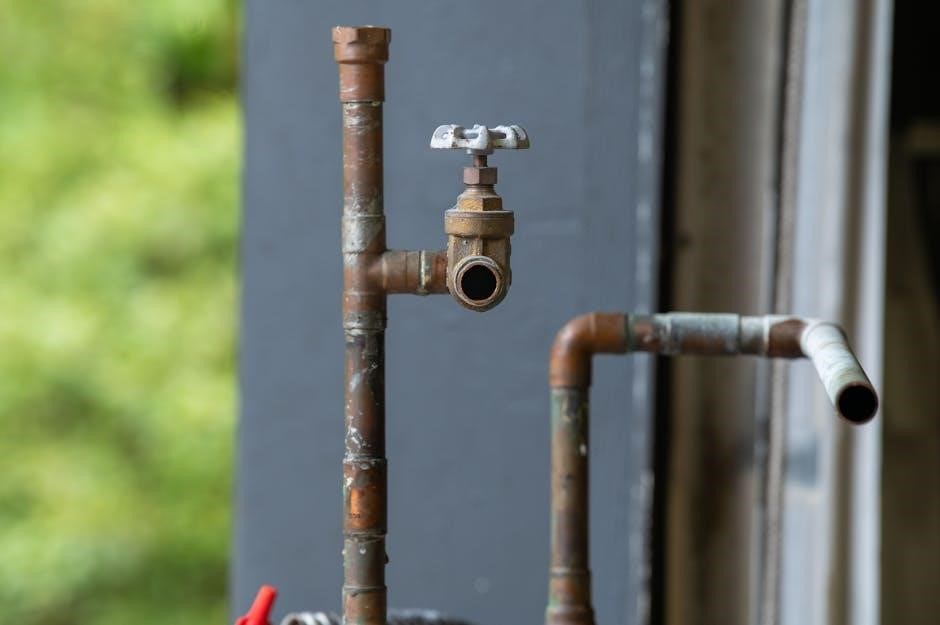
Essential Tools for Pipe Cutting
A pipe cutting guide is a multi-functional tool, often combining four marking functions into one, and ensuring a secure fit during the cutting process․
Pipe Cutters: Types and Applications
Pipe cutters, when paired with a pipe cutting guide, offer a remarkably precise method for severing various pipe materials․ These tools are categorized by the pipe type they’re designed for – plastic, copper, or steel – and their cutting mechanism․
Wheel cutters, also known as auto-cut tools, are particularly effective when used in conjunction with a guide․ They feature a circular blade that rotates around the pipe, gradually creating a cutting groove․ The guide ensures the cutter remains perpendicular, resulting in a square, burr-free cut․
Using a guide with a pipe cutter minimizes the risk of pipe deformation or crushing, especially crucial for softer materials like plastic․ Different guide designs accommodate various pipe diameters, enhancing versatility․ Proper alignment with the guide is key to achieving professional-quality cuts, essential for leak-proof joints and reliable plumbing systems․
Hacksaws for Pipe Cutting
Hacksaws, a versatile hand tool, can effectively cut pipes when used with a pipe cutting guide․ While requiring more manual effort than powered cutters, a hacksaw offers control and portability․ The guide is paramount for achieving straight, clean cuts, preventing angled or ragged edges․
Employing a guide ensures the hacksaw blade remains perpendicular to the pipe, minimizing blade wandering and reducing the risk of binding․ Selecting the correct blade – typically a high-speed steel blade with a fine tooth pitch – is crucial for optimal performance․
A guide also helps maintain consistent pressure and cutting speed, extending blade life and improving cut quality․ Securely clamping the pipe within the guide prevents movement during sawing, enhancing safety and accuracy․ This combination is particularly useful for situations where power tools are impractical or unavailable․
Reciprocating Saws and Their Use on Pipe
Reciprocating saws, known for their versatility, can cut various pipe materials, but a pipe cutting guide is highly recommended for precision․ These saws deliver power, yet their aggressive cutting action demands control to avoid uneven or angled cuts․
A guide stabilizes the saw, ensuring a straight cutting path and preventing blade deflection, especially crucial with larger diameter pipes․ Utilizing a metal-cutting blade designed for the specific pipe material is essential․ The guide also aids in maintaining a consistent cutting angle, minimizing the risk of damaging the pipe or the blade․
Securely clamping both the pipe and the guide to a stable surface is vital for safety and accuracy․ Employing a slower cutting speed and letting the saw do the work, rather than forcing it, will yield cleaner results․
Angle Grinders for Pipe Cutting – Considerations
Angle grinders, while capable of cutting pipe, require extreme caution and a pipe cutting guide for safe and accurate results․ Their high speed and abrasive cutting wheels pose risks of kickback and uneven cuts if not properly controlled․
A guide provides a stable reference point, minimizing the chance of the wheel wandering and ensuring a straight line․ Using a metal cutting disc specifically designed for the pipe material is crucial․ Always wear appropriate personal protective equipment, including eye and face protection, due to the sparks generated․
Securely clamping the pipe and guide is paramount․ Employ a slow, controlled cutting motion, allowing the wheel to do the work․ Avoid applying excessive pressure, which can lead to wheel breakage or loss of control․

Pipe Cutting Techniques
Employing a pipe cutting guide enhances precision, ensuring straight, clean cuts․ These guides secure the saw, promoting consistent angles and minimizing errors during the cutting process․
Using a Pipe Cutting Guide for Precision
Pipe cutting guides are invaluable tools for achieving accurate and consistent cuts, particularly when working with various pipe materials․ These guides function by securely clamping onto the pipe, providing a stable and straight reference point for your cutting tool – be it a hacksaw, reciprocating saw, or even an angle grinder․
A spring-loaded hinge often keeps the guide firmly in place, preventing slippage during operation․ Before cutting, ensure the guide is properly aligned with the desired cut line․ Tighten the guide’s clamp to create a snug fit, minimizing movement․
Using a guide not only improves the quality of the cut but also enhances safety by providing better control over the cutting tool․ Multi-functional guides can even incorporate features for marking pipes, streamlining the workflow․ Remember to select a guide appropriate for the pipe’s diameter and material for optimal results․
Auto-Cut Tools (Wheel Cutters) – A Detailed Look
Auto-cut tools, also known as wheel cutters, offer a convenient, one-handed method for cutting various types of pipe․ These circular tools fit around the pipe, and a rotating wheel gradually scores and cuts through the material with each turn․
The operation is straightforward: position the tool around the pipe, ensuring it’s perpendicular to the cut line․ Apply gentle, consistent pressure as you rotate the cutter around the pipe’s circumference․ Typically, multiple passes are required, gradually increasing the cutting depth with each rotation․
These tools are particularly useful for softer materials like copper and plastic, delivering clean, burr-free cuts․ While efficient, it’s crucial to avoid excessive force, which can damage the wheel or the pipe․ Regular inspection of the cutting wheel is recommended to ensure optimal performance and safety;
Cutting PVC Pipe: Specific Methods
When working with PVC pipe, achieving clean, square cuts is essential for proper joint sealing and system integrity․ Utilizing a pipe cutting guide alongside a handsaw or power tool significantly enhances accuracy․ For smaller diameter PVC, a ratcheting PVC cutter provides a quick and clean solution, often requiring minimal effort․
For larger diameters, a miter saw with a fine-tooth blade is ideal, especially when paired with a guide for consistent angles․ When using a handsaw, a guide ensures a straight line, preventing angled cuts․ Deburring the cut edges after sawing is crucial to remove any plastic shavings, ensuring a smooth surface for solvent welding or fitting connections․
Always support the PVC pipe adequately during cutting to prevent bending or cracking, and remember to wear safety glasses to protect against flying debris․
Cutting Metal Pipe: Techniques and Best Practices
Cutting metal pipe demands precision and the right tools․ Employing a pipe cutting guide alongside a hacksaw, reciprocating saw, or angle grinder is paramount for achieving straight, accurate cuts․ When using an angle grinder, a guide helps maintain a consistent cutting angle and prevents accidental damage to the pipe․
For larger diameter steel pipes, a band saw or chop saw offers greater efficiency and cleaner cuts, benefiting from the stability a guide provides․ Always secure the pipe firmly in a vise or with clamps before cutting to prevent movement and ensure safety․ Deburring the cut edges with a file is essential to remove sharp burrs and prepare the pipe for welding or threading․
Remember to wear appropriate safety gear, including eye protection and gloves, when working with metal pipe and cutting tools․

Specific Pipe Materials & Cutting
Pipe cutting guides enhance precision when working with diverse materials like cast iron, copper, or steel, ensuring clean cuts tailored to each pipe’s unique properties․
Cutting Cast Iron Sewer Pipe: A Step-by-Step Guide
When tackling cast iron sewer pipe, a pipe cutting guide becomes invaluable for achieving accurate and controlled cuts, minimizing the risk of cracking or damaging this brittle material․ Begin by securely clamping the pipe, utilizing a vise or robust clamps to prevent movement during the cutting process․
Employ a reciprocating saw with a specialized cast iron cutting blade, or a cast iron-specific wheel cutter․ A pipe cutting guide, firmly attached, will ensure the blade remains perpendicular to the pipe, resulting in a clean, straight cut․
Start with a slow, controlled cutting action, allowing the blade to gradually penetrate the cast iron․ Avoid excessive force, as this can lead to breakage․ Regularly clear metal shavings to maintain visibility and prevent blade binding․ Remember safety glasses and gloves are essential!

Cutting Copper Pipe: Methods for Clean Cuts
Achieving clean cuts on copper pipe is crucial for effective soldering and preventing leaks; a pipe cutting guide significantly aids this process․ For smaller diameter pipes, a rotary copper pipe cutter is ideal, and utilizing a guide ensures a perfectly square cut, minimizing burrs․
For larger diameters, a hacksaw with a fine-tooth blade, paired with a pipe cutting guide, provides excellent control․ Secure the pipe firmly in a vise, aligning it with the guide before initiating the cut․ Maintain a consistent cutting pressure and speed to avoid deformation․
Deburr the cut edge immediately after, using a deburring tool or reamer․ This removes any sharp edges or internal obstructions, preparing the pipe for smooth joint creation․ A clean cut, guided accurately, is the foundation of a reliable copper plumbing system․
Cutting Steel Pipe: Tools and Techniques
Cutting steel pipe demands robust tools and precise techniques; a pipe cutting guide is invaluable for ensuring straight, accurate cuts․ Employing a reciprocating saw or chop saw is common, but a guide maintains consistent blade alignment, preventing wandering and ensuring a square end․
When using a reciprocating saw, select a metal-cutting blade and secure the pipe firmly with clamps․ A pipe cutting guide clamped to the pipe provides a stable track for the saw, minimizing vibration and maximizing control․ For chop saws, the guide helps with initial setup and consistent cutting angles․
Deburring the cut edge is essential to remove sharp metal fragments․ Always wear safety glasses and gloves when working with steel pipe and utilize appropriate personal protective equipment․

Maintaining Your Cutting Tools
Regularly inspect pipe cutting guides for damage and ensure secure clamping mechanisms․ Clean guides after each use to remove debris, maintaining precision and longevity․
Keeping Cutting Tools Sharp and Clean
Maintaining the sharpness and cleanliness of your pipe cutting guide, alongside other cutting tools, is paramount for safe and efficient work․ A clean guide ensures accurate alignment during cuts, preventing burrs and ensuring a tight, leak-proof fit․ Regularly inspect the guide’s surfaces for accumulated debris – metal shavings, plastic residue, or general grime – and remove it with a suitable solvent or brush․
While the guide itself doesn’t require sharpening, its functionality relies on the sharpness of the cutting wheel used with it․ Ensure the wheel is replaced when it becomes dull, as a dull wheel forces excessive pressure, potentially damaging the guide or causing inaccurate cuts․ Proper tool maintenance extends the lifespan of both the guide and the cutting wheel, saving you money and ensuring consistent, professional results․
A well-maintained pipe cutting guide contributes significantly to overall project quality․
Securing the Pipe During Cutting
When employing a pipe cutting guide, securely fixing the pipe is absolutely crucial for achieving a clean, accurate cut and maintaining operator safety․ Loose pipe can shift during the cutting process, leading to uneven edges, potential damage to the pipe, and even injury․ Utilize a robust vise or clamp to firmly attach the pipe to a stable workbench before initiating any cutting action․
The pipe cutting guide itself relies on a stable pipe for optimal performance; any movement compromises its precision․ Ensure the vise or clamp grips the pipe without causing deformation or damage to its surface․ A properly secured pipe minimizes vibration and allows for smooth, controlled operation of the cutting tool, resulting in a professional-quality finish․ Prioritize stability – it’s a cornerstone of safe and effective pipe cutting․
Remember, a secure pipe equals a precise cut!

Advanced Cutting Methods & Systems
Pipe cutting guides integrate with systems like DEWALT IMPACT CONNECT, enhancing precision and efficiency when paired with advanced tools for complex pipework․
DEWALT IMPACT CONNECT System for Pipe Cutting
DEWALT’s IMPACT CONNECT system revolutionizes pipe cutting by allowing quick conversion of existing impact drivers into specialized cutting tools․ This innovative system enhances workflow and reduces tool clutter on job sites․
While the provided text doesn’t directly detail pipe cutting guide integration, the system’s adaptability suggests potential for utilizing guides alongside IMPACT CONNECT attachments․ The system’s core benefit lies in its versatility, enabling professionals to tackle diverse cutting tasks efficiently․
Imagine securing a pipe cutting guide to the pipe, then employing an IMPACT CONNECT-adapted cutting tool for a remarkably precise and controlled cut․ This combination could streamline operations, particularly in scenarios demanding repeated, accurate cuts․ The system’s attachments offer a robust solution for various materials, potentially working in tandem with guides for optimal results․
Further exploration of compatible attachments and accessories will reveal the full potential of integrating pipe cutting guides within the DEWALT ecosystem․
Using Band Saws and Chop Saws for Pipe
Band saws and chop saws offer powerful solutions for cutting pipe, particularly larger diameters and thicker materials․ However, achieving precision with these tools necessitates careful setup and often, the use of a pipe cutting guide․
A pipe cutting guide securely clamps onto the pipe, providing a straight edge for the saw blade to follow․ This is crucial for preventing wandering and ensuring a square, accurate cut․ When using a band saw, the guide helps maintain consistent blade alignment throughout the cut․
With chop saws, a guide is especially valuable for smaller diameter pipes, where maintaining control can be challenging․ The guide minimizes the risk of kickback and ensures the blade enters the pipe at the desired angle․ Proper clamping and guide selection are vital for safety and accuracy when utilizing these powerful cutting tools․
Always prioritize safety and use appropriate personal protective equipment․
Leave a Reply
You must be logged in to post a comment.