
Guide sticks, encompassing cinnamon quills, incense, walking sticks, and smudge bundles, represent a fascinating intersection of history, culture, and practical application.
These versatile tools have been treasured for millennia, evolving from valuable trade commodities and spiritual implements to aids for daily living and well-being.
What are Guide Sticks?
Guide sticks are remarkably diverse, ranging from the aromatic bark of cinnamon sticks (or quills) – the dried inner bark of Cinnamomum trees – to the fragrant incense sticks utilized globally for spiritual and aromatic purposes;
They also include walking sticks/canes, initially fashionable accessories that have transitioned into functional support for hiking or assisting those with mobility challenges. Finally, smudge sticks, bundles of dried herbs like white sage, juniper, and cedar, complete this category.
Essentially, a guide stick is any elongated, often natural, item employed for flavoring, scenting, support, or ritualistic cleansing, demonstrating a long and varied history across cultures.
Historical Significance of Guide Sticks
Guide sticks boast a rich historical tapestry, with cinnamon sticks once valued more than gold, driving extensive global trade routes for millennia. Incense sticks similarly possess a long tradition, deeply interwoven with diverse cultures and religious practices worldwide.
Walking sticks/canes evolved from practical tools to symbols of status, enjoying peak popularity before the 1940s, while smudge sticks have ancient roots in indigenous purification rituals.
These sticks weren’t merely commodities; they represented wealth, spirituality, and social standing, demonstrating their profound impact on human history and cultural development.

Types of Guide Sticks
Guide sticks manifest in diverse forms, including fragrant cinnamon sticks, aromatic incense sticks, supportive walking sticks/canes, and purifying smudge sticks.
Cinnamon Sticks: Varieties and Origins
Cinnamon sticks, often called quills, originate from the inner bark of Cinnamomum trees, prized for their distinctive fragrance and flavor. Historically, these sticks were incredibly valuable, even exceeding gold in trade value, and were extensively exchanged globally.
Several varieties exist, each with unique characteristics. Ceylon cinnamon, considered “true” cinnamon, offers a delicate, sweet flavor and thin bark. Cassia cinnamon, more common and affordable, presents a bolder, spicier profile with thicker bark. Other varieties include Saigon cinnamon, known for its intense aroma, and Korintje cinnamon, popular for its robust flavor.
Originating in Sri Lanka, cinnamon cultivation spread to regions like India, Madagascar, and Brazil. Today, these fragrant sticks continue to be a staple in culinary traditions worldwide.
Incense Sticks: A Global Tradition
Incense sticks boast a rich and enduring history, deeply woven into the cultural and religious practices of civilizations worldwide. Their use transcends geographical boundaries, appearing in ancient Egyptian rituals, Buddhist ceremonies, and traditional Chinese medicine.
Across diverse cultures, incense has served as a conduit for spiritual connection, a tool for purification, and an offering to deities. The materials used vary greatly, ranging from fragrant woods and resins to herbs and spices, each imparting a unique aroma and symbolic meaning.
Beyond spirituality, incense is valued for its potential health and well-being benefits, promoting relaxation and enhancing mental clarity. A suitable holder is essential for safe and enjoyable use.
Walking Sticks/Canes: Evolution of Use
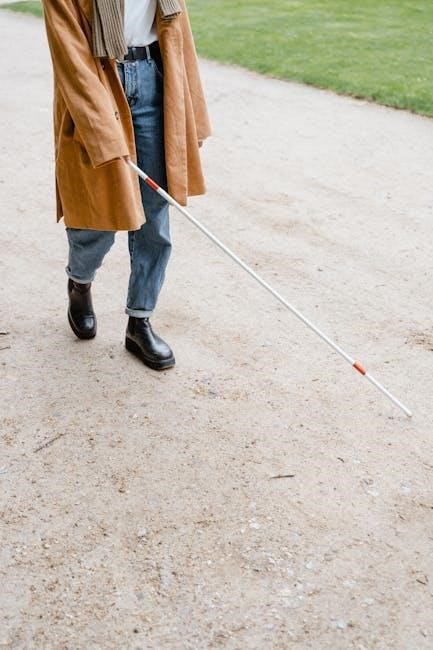
Walking sticks and canes have undergone a significant transformation throughout history, evolving from essential tools for mobility to symbols of status and fashion. Initially, they provided practical support for traversing varied terrain, aiding balance and reducing strain during travel.
By the 1940s, ornate canes experienced a decline in popularity, losing their former prestige. Today, their primary functions are divided: rugged walking sticks are favored by hikers, while canes primarily assist individuals with age-related or medical challenges.
Despite shifts in usage, the fundamental purpose remains – to offer stability and enhance independence. Accessories like grips and straps further customize the experience.
Smudge Sticks: Ancient Purification Tools
Smudge sticks represent a deeply rooted tradition, utilized for centuries across numerous cultures for ritualistic cleansing and spiritual purification. These bundles of dried herbs, like white sage, juniper, lavender, and cedar, are burned to release fragrant smoke believed to dispel negative energies.
Historically, smudging was integral to ceremonies, healing practices, and daily life, fostering a sense of sacred space and well-being. Different herbs possess unique properties, influencing the specific intention of the smudging ritual.
From rosemary to dragonsblood and Palo Santo, each smudge stick offers a distinct aromatic and energetic experience, connecting users to ancient wisdom and natural healing.

Uses of Guide Sticks
Guide sticks demonstrate remarkable versatility, spanning culinary enhancements with cinnamon, spiritual practices using incense and smudge sticks, and providing functional support via walking sticks.
Culinary Applications of Cinnamon Sticks
Cinnamon sticks, or quills, are highly valued in the culinary world for their aromatic and flavorful contributions. Historically prized even more than gold, these fragrant sticks infuse warmth and depth into a diverse range of dishes.
They excel at spicing savory creations, adding a subtle complexity to stews, curries, and even meat rubs. Beyond savory applications, cinnamon sticks are a staple in sweet treats, beautifully complementing baked goods like apple pie, cinnamon rolls, and comforting beverages such as spiced cider and chai tea.
Infusing liquids with cinnamon sticks allows for a gradual release of flavor, creating a nuanced and aromatic experience. Removing the stick after desired infusion prevents overpowering the dish, offering a controlled and delightful cinnamon essence.
Aromatic and Spiritual Uses of Incense Sticks
Incense sticks boast a rich history and tradition, deeply interwoven with diverse cultures and religious practices globally. Beyond their pleasant fragrance, they are utilized for promoting health, well-being, and spiritual connection.
The burning of incense is believed to purify spaces, creating a calming atmosphere conducive to meditation, prayer, and mindfulness. Different scents are associated with various intentions – lavender for relaxation, sandalwood for grounding, and frankincense for spiritual elevation.
Incense’s aromatic properties can also positively influence mood and reduce stress. The practice of using incense transcends mere scent; it’s a ritualistic act fostering a sense of peace and tranquility, connecting individuals to ancient traditions and inner serenity.
Functional Support with Walking Sticks/Canes
Walking sticks and canes have evolved significantly over time, transitioning from fashionable accessories to essential tools for mobility and stability. Initially embraced as status symbols, particularly ornate canes, their primary function now centers on providing physical support.
Today, walking sticks are widely utilized by individuals needing assistance with balance, whether due to age, injury, or medical conditions. They redistribute weight, reducing strain on joints and enhancing confidence during ambulation.
Furthermore, the resurgence of walking sticks as hiking instruments demonstrates their practical value in navigating uneven terrain. Modern designs prioritize ergonomics and durability, offering reliable support and enhancing outdoor experiences.
Ritualistic and Cleansing Uses of Smudge Sticks
Smudge sticks, bundles of dried herbs, hold deep cultural and spiritual significance, particularly within Indigenous traditions. For centuries, they’ve been employed in ceremonies for purification, healing, and connecting with the spiritual realm.
The practice of smudging involves burning the herbs, allowing the smoke to cleanse a space, object, or person of negative energies. Different herbs possess unique properties; for example, white sage is renowned for its purifying abilities.
Beyond purification, smudge sticks are used to promote positive energy, enhance meditation, and facilitate emotional release. This ancient practice continues to resonate today, offering a holistic approach to well-being and spiritual connection.

Health Benefits Associated with Guide Sticks
Guide sticks offer diverse health benefits, from cinnamon’s potential medicinal properties to incense’s calming effects and the physical support of walking sticks.
Potential Health Benefits of Cinnamon
Cinnamon sticks, derived from the inner bark of Cinnamomum trees, have been historically valued not only for their culinary uses but also for potential health benefits. Throughout history, cinnamon was considered more precious than gold, hinting at its perceived medicinal properties.
Modern research suggests cinnamon may possess antioxidant properties, potentially aiding in protecting the body from damage caused by free radicals. Some studies indicate it could contribute to improved insulin sensitivity, which is beneficial for blood sugar regulation. Furthermore, cinnamon has been traditionally used to support digestive health and may even exhibit anti-inflammatory effects.
However, it’s crucial to note that more research is needed to fully understand and confirm these benefits, and cinnamon should be consumed in moderation as part of a balanced diet.
Well-being Benefits of Incense
Incense sticks boast a long and rich history, deeply interwoven with cultural traditions and spiritual practices across the globe. Beyond their aromatic qualities, incense is believed to offer a range of well-being benefits, impacting both mental and emotional states.
The scents released during burning can promote relaxation, reduce stress, and create a calming atmosphere conducive to meditation or mindfulness. Different fragrances are associated with various effects; some are invigorating, while others are soothing.
Historically, incense has been used to purify spaces and uplift spirits. Modern aromatherapy utilizes these principles, suggesting specific scents can influence mood and promote a sense of peace and tranquility, contributing to overall well-being.
Physical Benefits of Using a Walking Stick
Walking sticks and canes offer substantial physical advantages, extending beyond simple mobility assistance. While historically used by those needing support, they are experiencing a resurgence in popularity among hikers and outdoor enthusiasts.
Using a walking stick distributes weight more evenly, reducing strain on joints – particularly the knees and hips. This can be incredibly beneficial for individuals with arthritis or other joint conditions.
Furthermore, a walking stick enhances balance and stability, decreasing the risk of falls on uneven terrain. For hikers, it provides an extra point of contact, improving posture and conserving energy during long treks. Modern designs prioritize ergonomics and lightweight materials for optimal comfort and performance.
Therapeutic Properties of Smudge Stick Herbs
Smudge sticks, crafted from various herbs, have been utilized for centuries for their therapeutic and spiritual properties. Different herbs offer unique benefits, contributing to a holistic sense of well-being.
White sage is renowned for its cleansing abilities, believed to clear negative energy. Juniper aids in purification and protection, while lavender promotes relaxation and reduces anxiety. Mugwort is traditionally used to enhance dreams and intuition.
Cedar offers grounding and protective energies, rosemary stimulates mental clarity, and dragonsblood is associated with love and courage. Palo Santo, a sacred wood, is valued for its calming and healing properties. These herbs, when smudged, release aromatic compounds believed to positively impact mood and emotional state.
Guide Stick Holders and Accessories
Guide stick accessories enhance functionality and aesthetics; incense holders come in diverse materials, while walking sticks benefit from grips and straps for comfort and support.
Incense Stick Holders: Types and Materials
Incense stick holders are essential for safely enjoying the aromatic benefits of incense. They come in a remarkable variety of designs, catering to diverse aesthetic preferences and functional needs.
Traditional holders often feature simple ceramic or wooden constructions with a single hole to securely hold the stick. More elaborate designs incorporate intricate carvings, metallic accents, or even small bowls to catch falling ash.
Materials range from classic ceramic and wood to modern options like metal, glass, and even stone. Ceramic holders offer excellent heat resistance and come in countless colors and patterns. Wooden holders provide a natural, earthy aesthetic, while metal options often boast sleek, contemporary designs.
The choice of material and style ultimately depends on personal taste and the desired ambiance. Some holders are designed to burn cone incense as well, offering versatility.

Walking Stick Accessories: Grips and Straps
Walking stick accessories significantly enhance both the functionality and comfort of using a cane or hiking stick. Grips are a primary consideration, often replacing the original handle to provide a more ergonomic and secure hold.
Options range from comfortable foam grips for extended hikes to textured rubber grips for improved control in various weather conditions. Cork grips are also popular, offering a natural feel and excellent shock absorption.
Straps are equally important, preventing accidental drops and providing added security, especially on uneven terrain. Wrist straps offer a quick-release mechanism, while full hand straps provide maximum control.
Adjustable straps ensure a customized fit, and some feature padded sections for enhanced comfort. These accessories transform a basic walking stick into a personalized support tool.

Specific Smudge Stick Types & Their Uses
Smudge sticks, like white sage, juniper, lavender, and cedar, offer unique properties for cleansing, healing, and spiritual practices, rooted in ancient traditions.
Each herb provides distinct aromatic and energetic benefits, tailored to specific intentions and rituals.
White Sage Smudge Sticks
White sage smudge sticks are arguably the most recognized and widely used type, deeply rooted in Native American traditions, particularly those of the Chumash and other Californian tribes.
Historically, and continuing today, white sage (Salvia apiana) is revered for its powerful cleansing properties, believed to clear negative energy, purify spaces, and promote healing.
The smoke is thought to dispel unwanted influences, creating a sacred atmosphere for ceremonies, meditation, or simply restoring balance within a home. Its distinct, herbaceous aroma is both grounding and uplifting.
When using white sage, it’s crucial to approach it with respect and awareness of its cultural significance, acknowledging its origins and avoiding appropriation.
Sustainable harvesting practices are also vital to ensure the plant’s continued availability.
Juniper Smudge Sticks
Juniper smudge sticks, crafted from the branches of juniper trees, offer a distinct and invigorating alternative to white sage, carrying their own rich history and energetic properties.
Used for centuries across various cultures, including Native American and European traditions, juniper is associated with protection, purification, and good fortune. The smoke is believed to ward off negative spirits and cleanse spaces of stagnant energy.
Unlike the heavier scent of white sage, juniper presents a crisp, pine-like aroma, often described as refreshing and clarifying. It’s particularly effective for clearing emotional blockages and promoting a sense of grounding.
Juniper is also linked to dreamwork, enhancing intuition, and fostering a connection to the natural world. Its use encourages a feeling of safety and resilience.
Sustainable sourcing is important when choosing juniper smudge sticks.
Lavender Smudge Sticks

Lavender smudge sticks represent a gentle yet powerful approach to smudging, offering a calming and soothing alternative to more intense herbal blends. These sticks, typically composed of dried lavender flowers and stems, are deeply connected to peace, tranquility, and emotional healing.
Historically, lavender has been revered for its relaxing properties, used in aromatherapy and traditional medicine for centuries. Smudging with lavender creates a serene atmosphere, reducing stress, anxiety, and promoting restful sleep.
The delicate floral scent is known to uplift the spirit and foster a sense of inner harmony. Lavender is particularly beneficial for spaces where emotional healing is desired, or for individuals experiencing grief or trauma.
It’s also believed to attract positive energy and enhance psychic abilities. Lavender smudge sticks are a wonderful choice for creating a sacred and peaceful environment.
Ensure ethically sourced lavender for optimal benefits.
Mugwort Smudge Sticks
Mugwort smudge sticks are deeply rooted in ancient traditions, particularly those of Celtic and European cultures, and are known for their potent protective and dream-enhancing properties. This herb has a long history of use in divination, psychic work, and connecting with the spirit world.
Traditionally, mugwort was hung over doorways to ward off negative energies and evil spirits, and it was also burned to purify spaces before rituals. Smudging with mugwort is believed to strengthen intuition, promote lucid dreaming, and facilitate astral travel.
Its earthy, slightly bitter aroma is grounding and can help to release emotional blockages. Mugwort is often used by healers and shamans to clear energy fields and restore balance.
However, it’s important to note that mugwort should be avoided by pregnant women. Ethically sourced mugwort ensures respect for its powerful energy.
Use with intention and reverence.
Cedar Smudge Sticks
Cedar smudge sticks, particularly those crafted from White Cedar, hold a sacred place in many Indigenous cultures of North America, revered for their powerful cleansing and protective energies. For centuries, cedar has been used in purification rituals, ceremonies, and to create a sacred space.
The smoke from burning cedar is believed to carry prayers to the Creator and to cleanse both people and places of negative energies. It’s often used before other smudging herbs to prepare the space and create a positive atmosphere.
Cedar is also associated with grounding, healing, and promoting a sense of peace and well-being. Its fragrant, woody aroma is both uplifting and calming.
Traditionally, cedar was used to treat respiratory ailments and skin conditions. Ethically sourced cedar ensures sustainability and respect for its spiritual significance.
Burn with reverence and intention.
Rosemary Smudge Sticks
Rosemary smudge sticks offer a vibrant and invigorating alternative to more traditional smudge options, bringing a burst of herbaceous energy to cleansing rituals. Historically, rosemary has been associated with remembrance, protection, and purification across various cultures, including ancient Greece and Rome.
The smoke from burning rosemary is believed to enhance memory, clarity of thought, and mental focus, making it ideal for study spaces or creative endeavors. It’s also used to dispel negativity and promote a positive atmosphere.
Rosemary’s uplifting scent can help alleviate stress and anxiety, fostering a sense of well-being. It’s often used to cleanse spaces after illness or conflict.
Beyond its spiritual uses, rosemary possesses antiseptic properties, contributing to a physically cleaner environment. When used responsibly, rosemary smudge sticks provide a refreshing and potent cleansing experience.
Burn with intention and respect.
Dragonsblood Smudge Sticks
Dragonsblood smudge sticks, derived from the resin of Dracaena cinnabari trees, are potent tools for powerful energetic cleansing and protection. Historically revered in various cultures, including those of the Middle East and North Africa, dragonsblood is associated with courage, passion, and transformation.
The deep, rich smoke is believed to create a protective shield, warding off negative energies and unwanted influences. It’s often used before spellwork or rituals to establish a sacred space.
Dragonsblood is also linked to enhancing psychic abilities and deepening spiritual connection, facilitating profound inner work.
Its vibrant energy can stimulate creativity and ignite passion, making it useful for projects requiring drive and determination. Use with reverence, as its power is considerable.
Burn responsibly and with clear intention.
Palo Santo Smudge Sticks
Palo Santo, meaning “holy wood” in Spanish, originates from the Bursera graveolens trees of South America, particularly Peru and Ecuador. For centuries, indigenous cultures have utilized this sacred wood for spiritual purification, healing ceremonies, and to connect with the divine.
The fragrant smoke is believed to clear negative energy, promote emotional healing, and attract positive vibrations. Unlike some smudge sticks, Palo Santo’s aroma is naturally sweet and uplifting, creating a calming atmosphere.
It’s often used to cleanse spaces, objects, or even auras, fostering a sense of peace and well-being.
Sustainable harvesting is crucial; ensure your Palo Santo is sourced responsibly to protect these precious trees. Burn a small piece, allowing the smoke to gently fill the space.
Respect its sacred origins.

Modern Trends and the Future of Guide Sticks
Contemporary trends show a resurgence in walking stick use for hiking, alongside increased interest in incense for aromatherapy and mindful living practices.
The Resurgence of Walking Sticks for Hiking
Walking sticks, once largely associated with assisting the elderly, are experiencing a significant revival in popularity among hikers and outdoor enthusiasts. This renewed interest stems from a growing appreciation for their functional benefits and the enhanced hiking experience they provide.
Modern walking sticks are often lightweight and adjustable, crafted from materials like aluminum or carbon fiber. They offer improved stability on uneven terrain, reduce strain on the knees and ankles, and enhance overall balance. Beyond the physical advantages, many hikers find that using walking sticks fosters a deeper connection with nature, promoting a more mindful and immersive outdoor experience.
The trend reflects a broader movement towards active lifestyles and a desire to reconnect with the natural world. As hiking and backpacking continue to gain traction, the demand for quality walking sticks and related accessories is expected to rise, solidifying their place as essential gear for outdoor adventures.
Contemporary Incense and Aromatherapy
Incense sticks have moved beyond traditional religious and cultural practices, finding a prominent place in contemporary aromatherapy and wellness routines. Modern incense isn’t solely about fragrance; it’s increasingly focused on therapeutic benefits and creating specific atmospheres.
Today’s market offers a diverse range of scents, often blended with essential oils to enhance their aromatic and healing properties; Consumers are seeking incense for stress relief, improved focus, and enhanced meditation practices. The rise of aromatherapy has fueled demand for natural, high-quality incense made from sustainably sourced ingredients.
Furthermore, stylish and innovative incense holders are complementing this trend, transforming incense burning into a visually appealing and mindful ritual within modern homes.